
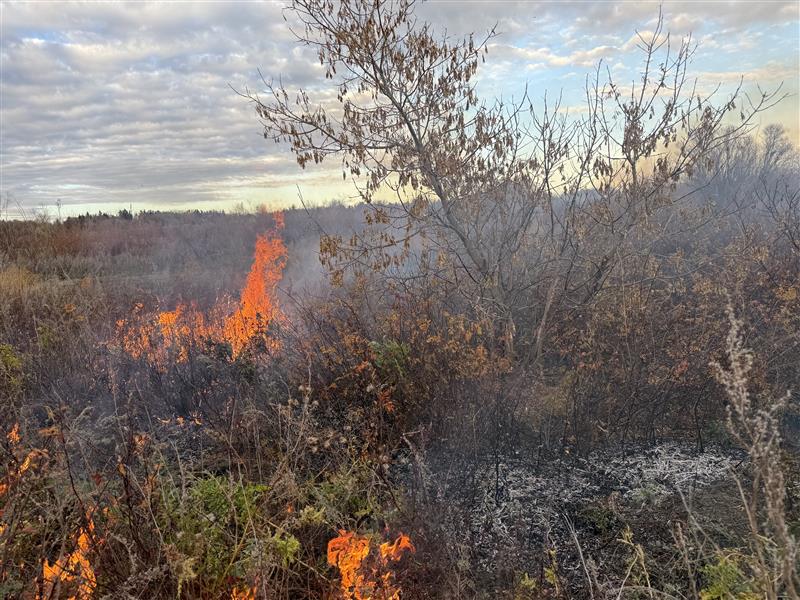
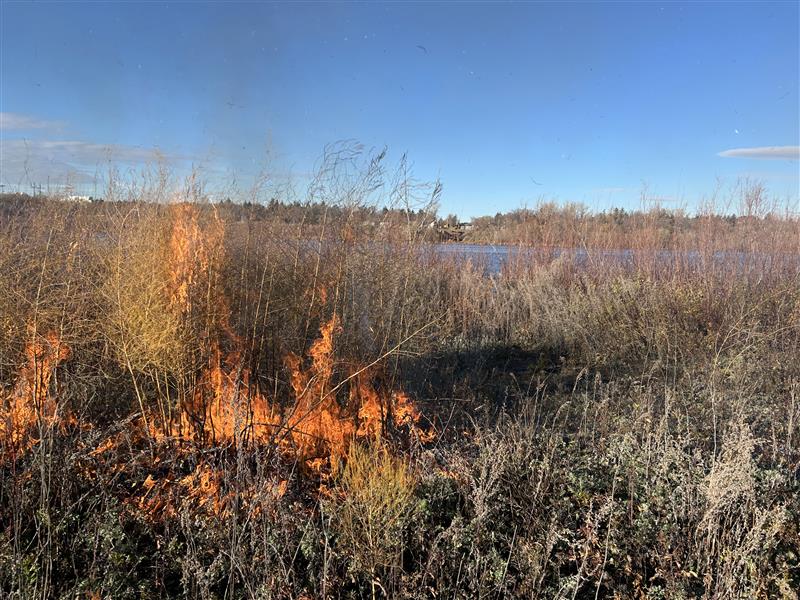

What is a prescribed burn?
A prescribed burn is a controlled and planned use of fire to a certain area of land. Fire can be a natural process that plays a key role in the evolution of grassland and forest ecosystems in Saskatchewan. Fire can be used to renew vegetation and help maintain healthy ecosystems.
After a fire, the vegetation of a burn area quickly regenerates; fire does not harm ecosystems but contributes to their long-term health and function.
Prescribed fires are planned for the fall or spring so they can be conducted at a lower intensity in mild temperatures. Prescribed burns produce less smoke than unplanned wildfires that generally occur under warmer and drier conditions.
What is the difference between a prescribed burn and a wildfire?
Wildfires are unpredictable. With a prescribed burn, extensive planning allows us to plan for the exact weather requirements we need for a safe and effective fire. Equipment and personnel remain on site to make sure the burn goes as planned and detailed emergency protocol is in place for if they don’t. All these specific conditions contribute to what is known as the Prescribed Fire Prescription. If even one factor is not within the prescription requirements, the fire is never started.
A Prescribed Fire Prescription takes into consideration the wind speed, wind direction, temperature, relative humidity, recent precipitation, moisture content of available dead vegetation, the time of year and day and more.
Information from Canadian Prairies Prescribed Fire Exchange.
How will a prescribed burn help Wascana Centre?
The prescribed burn will help control invasive exotic plant species such as Bluegrass and Smooth bromegrass, reduce hazardous fuel loads and stimulate native grass regeneration. Prescribed burns also help to remediate the excessive build-up of dead plant litter which, if left, can lead to a higher risk of uncontrolled wildfires threatening the safety of people and valuable property adjacent to Wascana Centre.
Exotic, invasive species pose one of the greatest threats to the long-term sustainability and health of natural ecosystems. The Provincial Capital Commission manages exotic invasive plant species using an integrated weed management approach which combines biological, mechanical, cultural, and chemical control methods.
In addition, prescribed burns may play a role in reducing the abundance of ticks and the transmission of disease pathogens they carry.
Overall, the Provincial Capital Commission understands that a controlled burn can stimulate the renewal of favourable plant community traits and enhance species diversity.
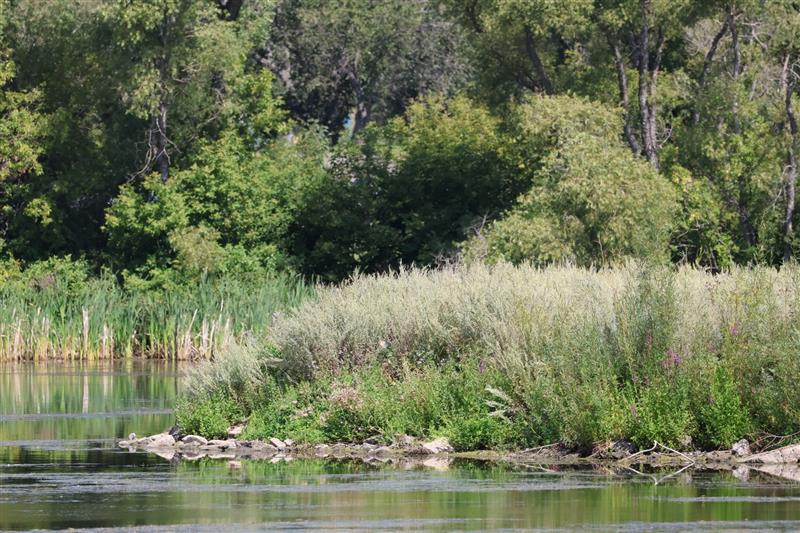
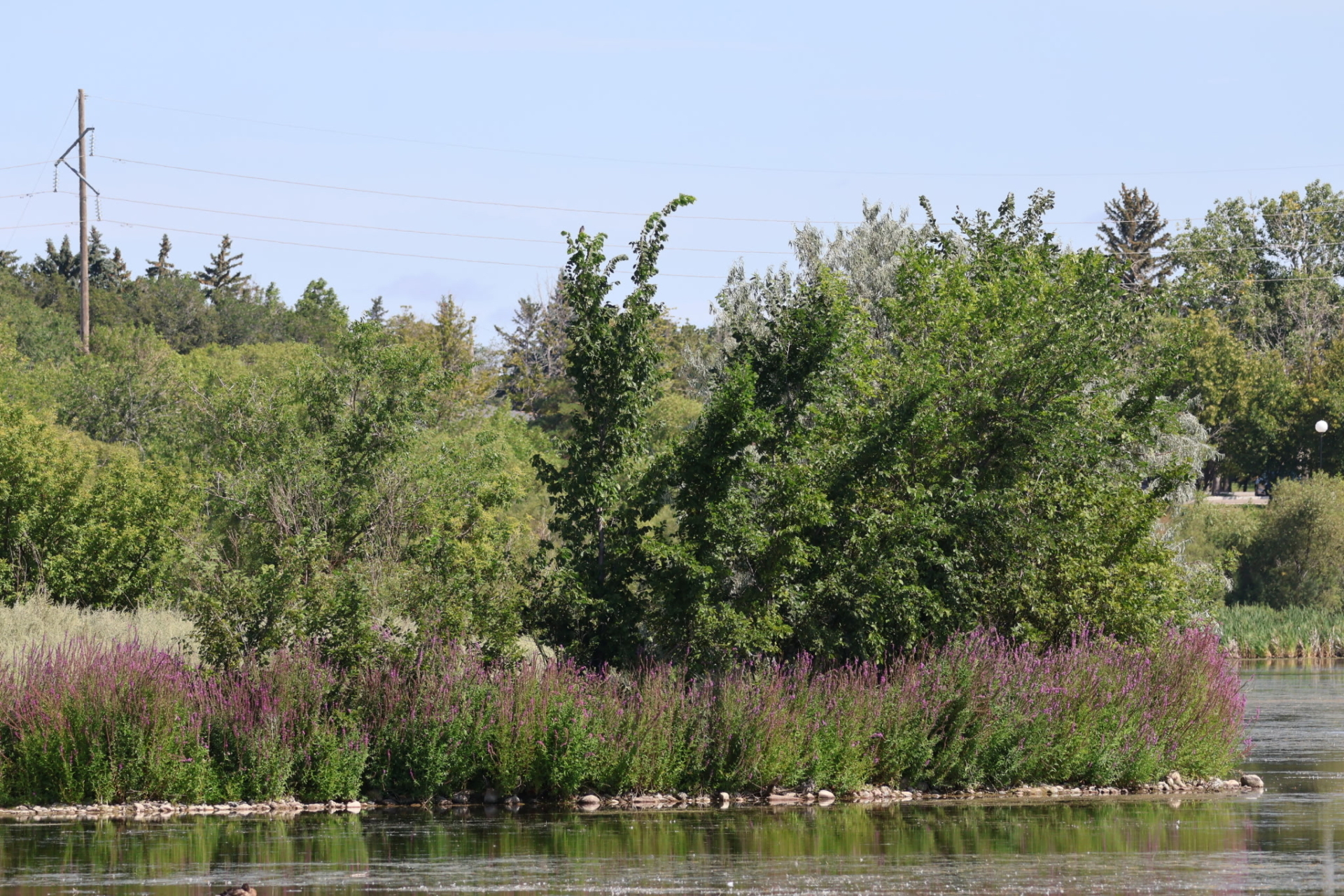
Photo: Purple loosestrife and Absinth (both invasive).
Have any other locations used prescribed burns before?
Over the last 20 years prescribed burns have been successfully used in many provincial parks including Moose Mountain, Fort Carlton, Douglas, Saskatchewan Landing, Good Spirit Lake and Greenwater Lake Provincial Parks, among others.
Members of the Provincial Capital Commission took part in a prescribed burn conducted at the Condie Nature Refuge on May 2, 2025, to reduce fuel load in the area to help prevent wildfires.
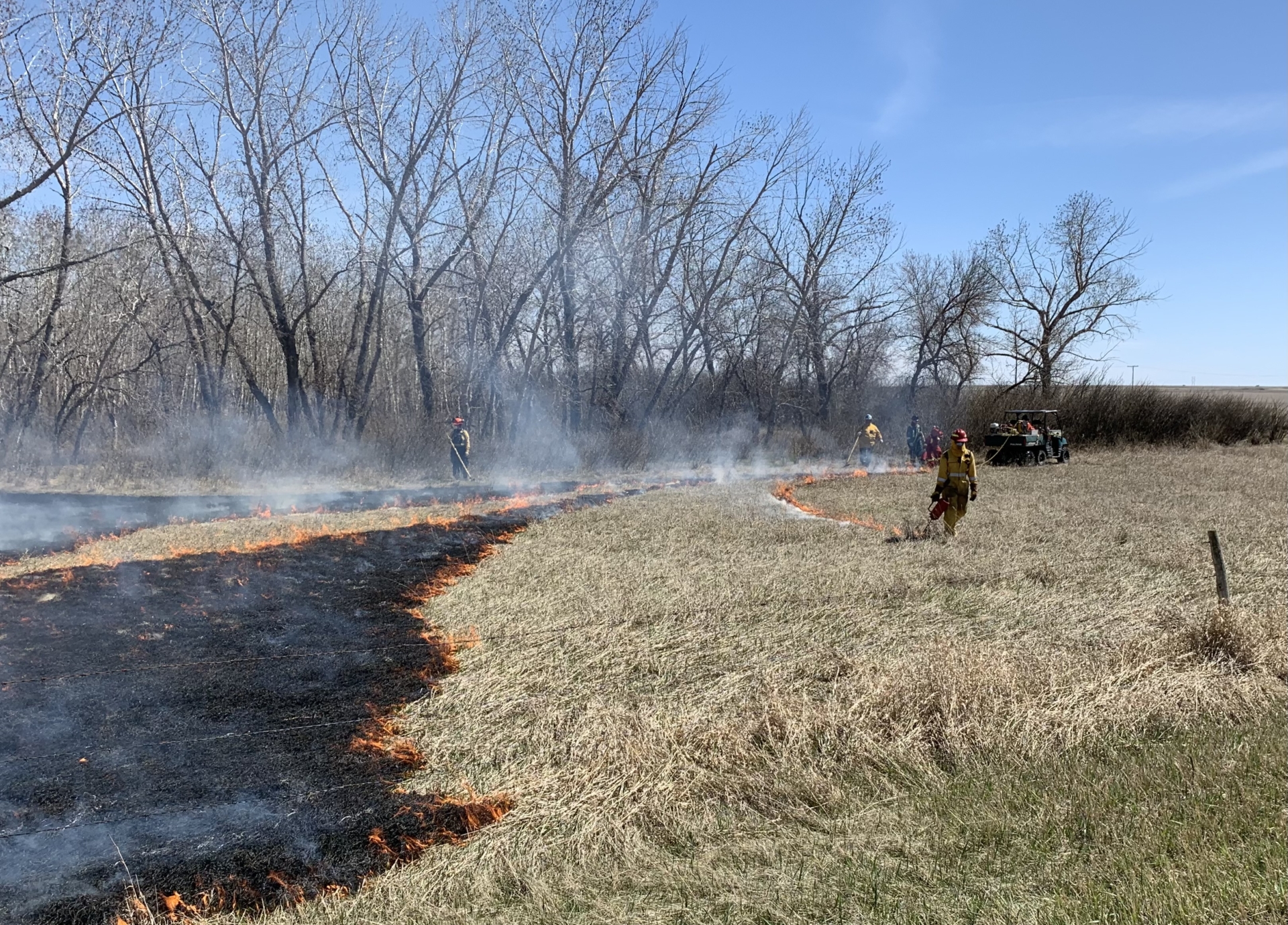
Photo: Prescribed burn conducted at the Condie Nature Refuge on May 2, 2025, to reduce fuel load in the area to help prevent wildfires.
When have prescribed burns been used within Wascana Centre?
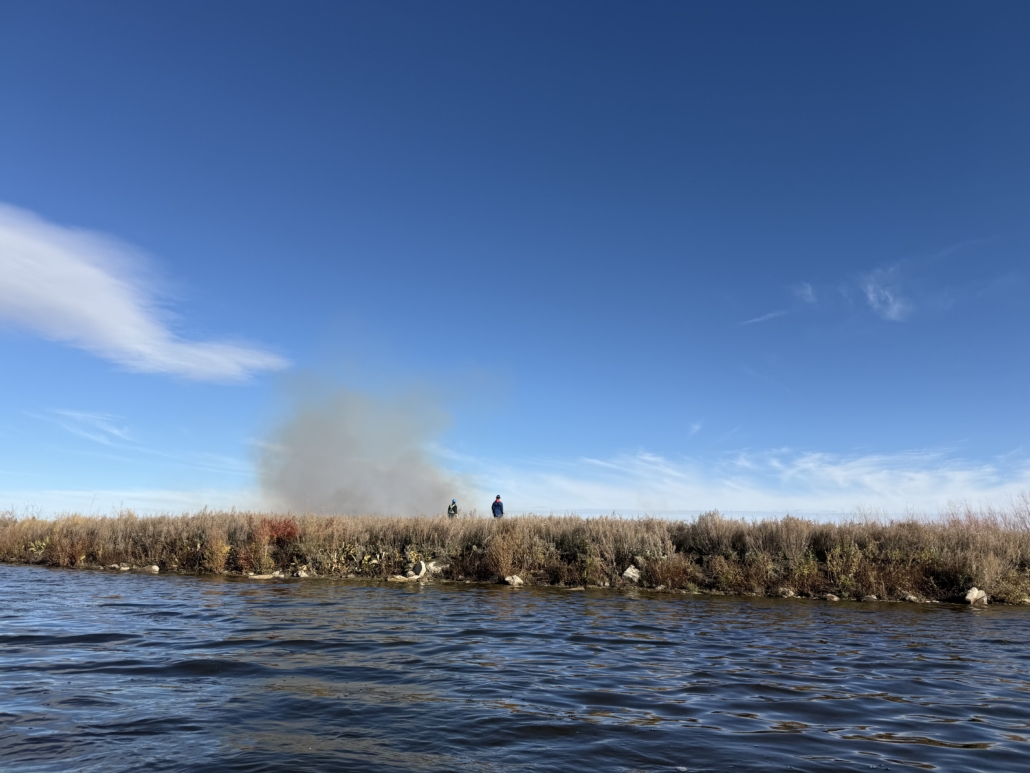
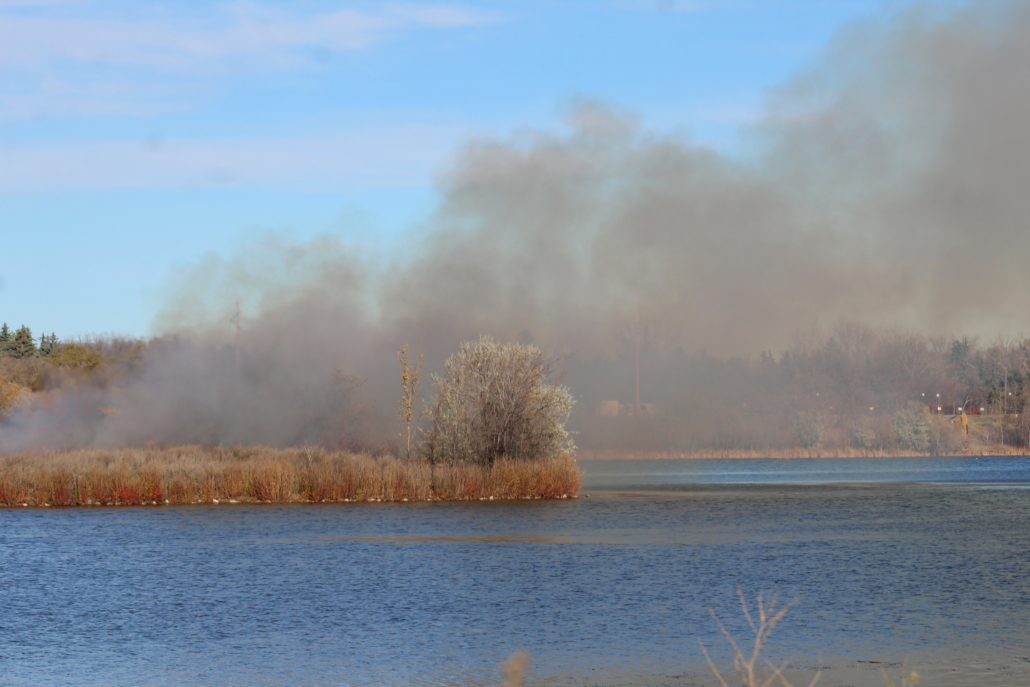
In 2025, the Provincial Capital Commission (PCCC) conducted a successful prescribed burn on October 27, 2025 on Pelican Island and north Goose Island. Thank you to Sask Parks, NCC, Saskatchewan Environment and CPPFE for helping us execute this in safe manner.
In spring 2026, the Provincial Capital Commission (PCC) was involved in a successful prescribed burn within Wascana Centre’s Habitat Conservation Area on Tuesday, April 21, 2026 during the Oskana Plains prescribed fire training exchange.
Thank you to the Weston Family Foundation through the Canadian Prairies Prescribed Fire Exchange for bringing together multiple agencies and 21 participants across Saskatchewan and Alberta to learn about prescribed fire through hands-on experience, building on leadership skills and developing a stronger fire culture in the Regina area. Special thanks for SaskParks for hosting the training exchange.
For more information regarding prescribed burns: